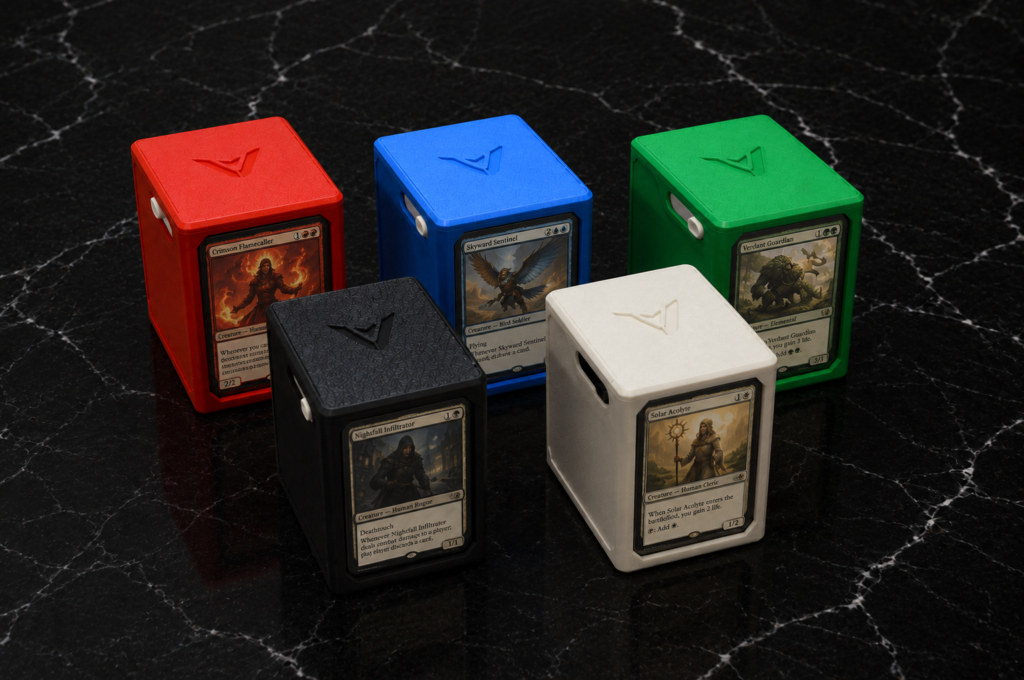


Why Protecting Your Trading Cards Matters More Than You Think
If you’ve been around trading card games for any length of time, you’ve probably heard someone say, “It’s just cardboard.”
Technically, sure. A card is ink on cardstock. But anyone who has spent years playing, collecting, trading, and deckbuilding knows that statement misses the point entirely.
Your cards are not just cardboard. They’re game pieces, investments, memories, and in many cases, personal history. Whether you’re sleeving up a tuned Commander deck, preserving a binder full of old staples, or holding onto that one card you cracked from a booster years ago and never traded away, protecting your cards matters—for reasons that go far beyond resale value.
Wear Happens Faster Than Most Players Realize
Cards degrade constantly through ordinary use. Shuffling creates edge wear. Table surfaces cause scratching. Oils from your fingers leave residue. Humidity can warp foils and older cardstock. Even transporting decks loosely in a backpack can ding corners. The scary part is how subtle this damage can be.
A card might look “fine” at a glance, but under good lighting you’ll notice whitening along the edges, tiny surface abrasions, or slight bending. In casual play, you may not care. But over time, that gradual wear compounds.
Anyone who has compared a Near Mint card to a Moderately Played copy knows the difference can be dramatic. And in games like Magic, condition affects more than aesthetics.
Condition Impacts Value—Even for Non-Collectors
Not everyone treats cards as financial assets, and that’s healthy. Most players buy cards to play with them, not to flip them. But even if you don’t consider yourself a collector, condition still matters because damaged cards lose flexibility.
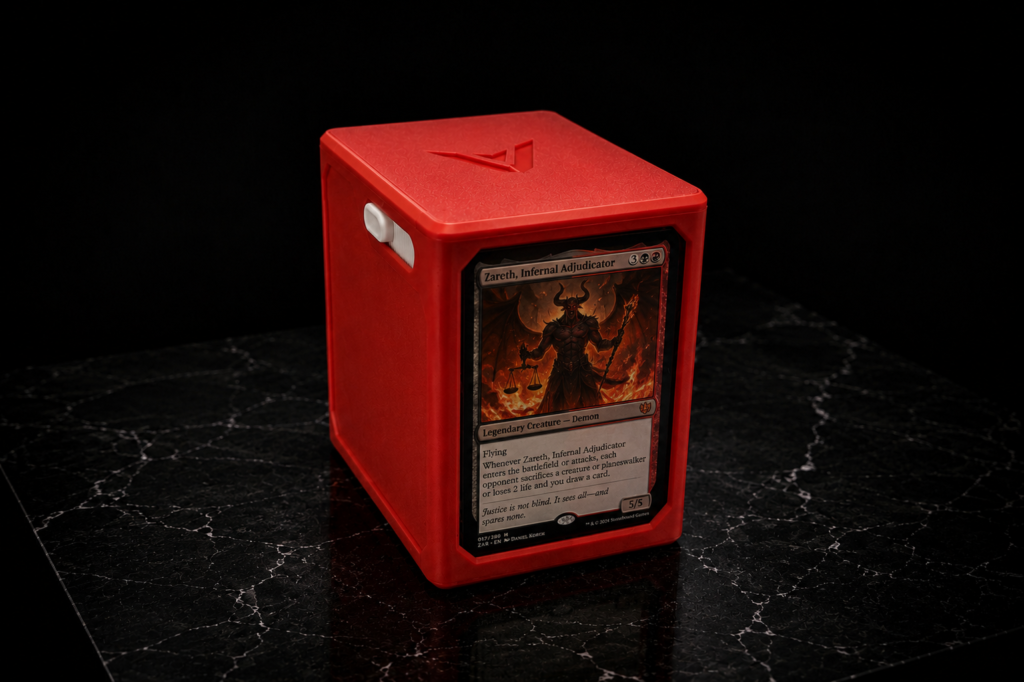
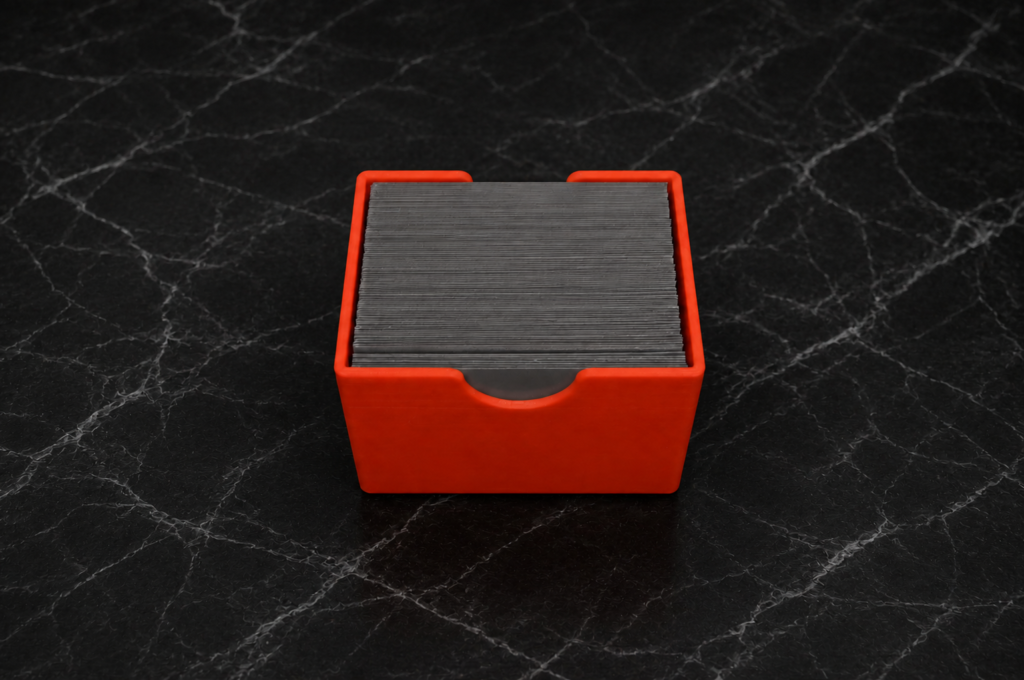
A well-kept staple can be:
- traded easily
- sold later
- moved between decks
- retained as part of a long-term collection
A heavily worn staple often becomes harder to move and worth significantly less.
This matters especially for eternal-format staples and reserved-list cards, where replacement cost can be painful. That dual land or premium foil commander piece might not feel “expensive” because you bought it years ago—but replacing it at current market value could be brutal.
Protection is often cheaper than regret.
Marked Cards Can Become a Real Gameplay Problem
There’s another reason to protect cards that has nothing to do with collecting.
Tournament legality:
In sanctioned play, cards with identifiable wear patterns can become marked cards. If one card in your deck has a bent corner, a warped foil, or a damaged sleeve, it may be distinguishable while face down.
That creates problems—even when there’s no intent to cheat.
Imagine always knowing when your combo piece is on top because the sleeve is slightly creased. Judges take that seriously, because hidden information is foundational to fair gameplay. Good protection helps maintain consistency across your deck.This is especially relevant in formats with expensive singletons, where one premium foil or old-border card can physically stand out from everything else.
Protection Is Also About Respect
There’s an emotional side to card care that players don’t talk about enough. Protecting your cards is often a reflection of how you relate to the hobby. Maybe you still own your first commander deck. Maybe you have a playset of cards signed by an artist. Maybe there’s a beat-up rare from your teenage years that isn’t worth much financially but means everything to you.
Cards accumulate stories. Every trade binder tells a story. Every deck box represents hours of tuning. Every old staple has memories attached to match wins, bad beats, lucky topdecks, and unforgettable games. Protection preserves those memories. A sleeved deck stored properly doesn’t just retain value—it preserves history.
Storage Matters as Much as Sleeves
Many players think protection begins and ends with sleeves. Sleeves are important, but they’re only one layer.
Long-term card health depends on storage habits:
- keeping cards in rigid deck boxes or binders
- avoiding excessive heat or humidity
- storing valuable singles in top loaders or hard cases
- preventing cards from shifting during transport
Foils especially demand attention. Temperature fluctuation and moisture can cause curling fast, sometimes in ways that are hard to reverse.
If you’ve ever opened a binder and found your once-flat foils shaped like potato chips, you already understand.
Protection Encourages Longevity in the Hobby
One underrated benefit of caring for your cards is psychological. People who organize and protect collections tend to stay engaged with the hobby longer. Why ? Because maintenance reinforces connection.
Sorting cards, updating binders, double-sleeving decks, and cataloging staples all deepen your relationship with the game. You become more intentional about what you own and why you keep it. That matters in a hobby built around long-term engagement. Games evolve. Formats change. Metas shift. Cards get banned, unbanned, reprinted, and rediscovered.
The collection you protect today may become the foundation of decks you build years from now.
Protecting trading cards isn’t about obsessing over resale or treating every rare like a museum piece. It’s about stewardship. Cards are tools for play—but they’re also artifacts of a hobby that brings people together through competition, creativity, and community. Take care of your cards, and they’ll stay playable, tradable, collectible, and meaningful for years. Because in the end, they were never just cardboard. They were always something more.